
Get CBAM Certification with Ease
Ensure full compliance with the EU CBAM rules without confusion.
Our experts handle documentation, reporting, and verification for you.
- Expert CBAM Reporting
What is CBAM Certification
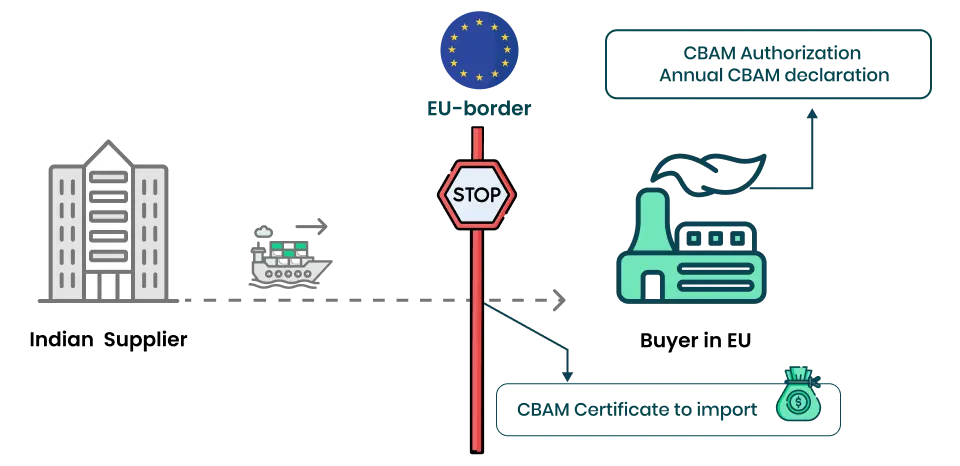
The Carbon Border Adjustment Mechanism is a climate policy introduced by the European Union to ensure that imported goods meet the same environmental expectations as goods produced inside the European Union. It focuses on the carbon emissions that are created during manufacturing. In simple terms, the policy asks whether an imported product should carry a cost that reflects the pollution created during its production.
CBAM certification confirms that a company has the systems needed to calculate and report these embedded emissions. It applies to aluminum, cement, iron and steel, fertilizers, hydrogen, and electricity.
A small aluminum foundry once described its early experience with CBAM as similar to finally turning on the lights in a room they had always walked through in the dark. They knew the space well, but they had never measured every detail of their operations until CBAM required it.
Why CBAM Certification Matters
CBAM certification is essential for companies that want steady access to the European Union market. The rules introduced by the European Union are becoming stricter and more detailed every year. The companies that adapt early often find that the transition is smoother and far less stressful.
When a company understands its emissions well, it usually discovers opportunities to improve efficiency. For example, one steel manufacturer found that tracking fuel consumption more accurately helped them reduce wasted energy during heating cycles. They entered the CBAM process only to comply, but they remained committed because the results benefited their bottom line.
For the latest industry news and analysis on CBAM implementation, see Reuters’ coverage: [Reuters CBAM News]
Benefits of CBAM Certification
Market Access
Certification ensures that shipments to the European Union continue without delays that can arise from missing emission reports.
Competitive Advantage
Customers increasingly look for suppliers who can demonstrate transparency. A clear emission footprint often builds more confidence than vague environmental claims.
Regulatory Alignment
CBAM certification keeps businesses aligned with the reporting requirements described in official European Union documentation. It reduces confusion during audits and creates a smoother relationship with stakeholders.
Sustainability Leadership
A certified business signals responsibility. Many partners appreciate working with companies that can show measurable progress.
Better Internal Systems
A well-documented system often strengthens teamwork. When everyone knows their role in collecting data, the entire process becomes more reliable.
Who Can Obtain CBAM Certification
CBAM certification is intended for
- Manufacturers
- Importers
This includes companies dealing with cement, iron and steel, aluminum, fertilizers, hydrogen, and electricity. Even small traders who handle only a few consignments a year may need certification if those goods enter the European Union.
Documents Required for CBAM Certification
A typical documentation package includes
- System manual
- System procedure
- Policy
- Objectives
- Mission and vision
- Standard operating
- procedures
- Checklists
- Forms
- Formats
- Records
The depth of documentation depends on the size of the organisation, the nature of its activities, the processes it follows, and the skill level of the people involved. A small importer may require only a basic management system, while a large producer may need a detailed structure with many layers.
Role of CBAM Expert and the Certification Process
CBAM Expert supports companies through each step of the certification process. The focus is on creating a practical and understandable structure rather than overwhelming the team with technical language.
Timeline of the Certification Process
Time period | Activities |
Day 1 | Gap analysis of the existing system Selection of a certification body Preparation of cost estimates |
Week 1 | Development of documents Review of standard operating procedures |
Week 4 | CBAM awareness training Implementation of the management system across the organisation |
Week 8 | Internal audit Management review meetings Corrective and preventive action planning |
Week 10 | Certification body audit Closure of any non-conformities |
Week 12 | Issuance of the CBAM certificate Start of yearly surveillance audits |
Yearly | Review and support for yearly documentation and compliance checks |
Download CBAM Fact sheet
Sector We Covered
CBAM Compliance & Consulting for Every Required Sector
Iron & Steel
Tractors
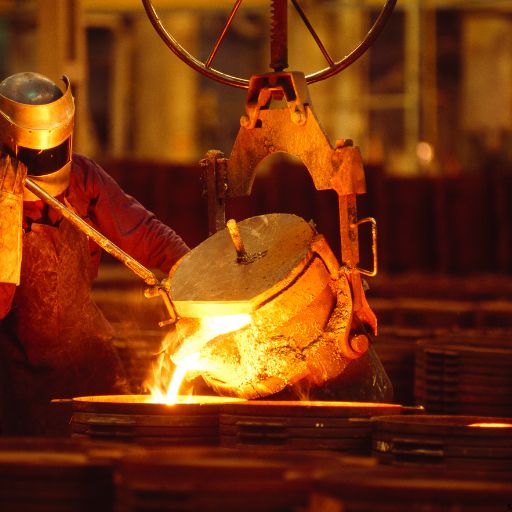
Foundry
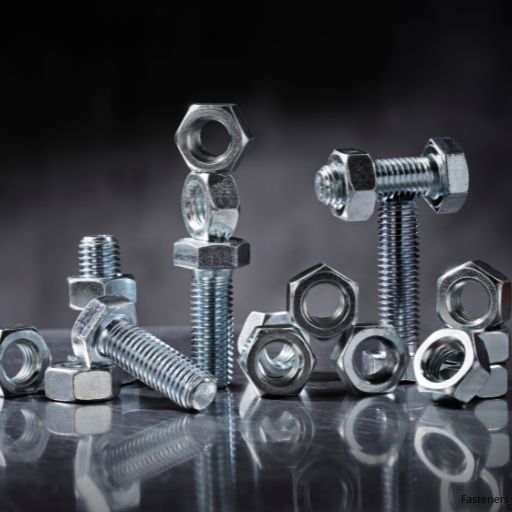
Fasteners
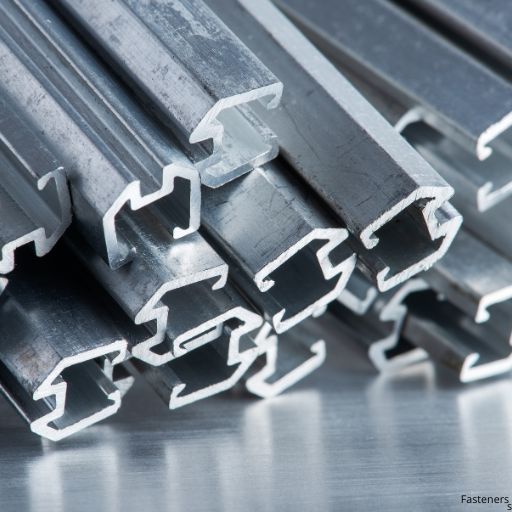
Aluminium
FAQs on CBAM for Indian Exporters
What does CBAM stand for?
CBAM stands for Carbon Border Adjustment Mechanism. It is designed to prevent carbon leakage and ensure fair competition between domestic producers in the European Union and foreign suppliers.
What products fall under CBAM?
CBAM currently covers cement, iron and steel, aluminum, fertilizers, hydrogen, and electricity.
What exactly is CBAM certification?
CBAM certification shows that a company is able to calculate and report embedded emissions accurately. It demonstrates that the business has a reliable system for collecting data, preparing reports, and responding to audits. The certification itself does not reduce emissions but encourages better transparency and more thoughtful production practices.
Who needs CBAM certification?
Any manufacturer or importer that exports covered goods to the European Union needs to prepare for CBAM certification. Even companies that export a small portion of their production may still benefit from setting up proper systems early.
How can importers calculate emissions for CBAM certification?
Importers must gather verified emission data from their suppliers and apply the methods described in the CBAM methodology. The calculation guidance is available directly from the European Commission. For detailed calculation guidance and official templates, refer to the European Commission’s CBAM guidance page: [European Commission CBAM Guidance].
What challenges do companies face during CBAM certification?
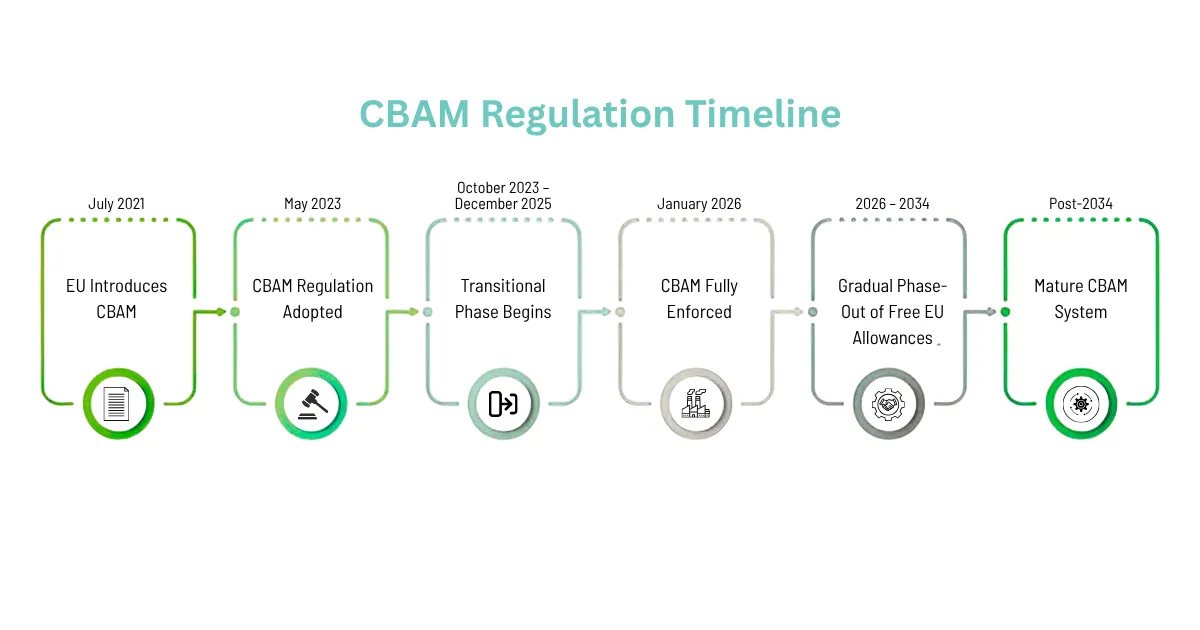
Common challenges include missing data, incomplete documents, and unclear boundaries for what counts as a process emission. Many organisations also struggle with aligning supplier information with European Union expectations. Reuters reported that supply chains in several countries needed additional guidance during the first months of the CBAM transitional phase
How can exporters minimize CBAM costs?
Invest in clean technology and renewable energy. Monitor emissions closely with suppliers. Negotiate CBAM cost-sharing with EU customers. Developing low-carbon supply chains can provide a pricing advantage, as CBAM certificates reward cleaner goods.